Your lab may be running smoothly. Can your records show why? We help CLIA-, CAP-, and COLA-regulated labs stay inspection-ready between surveys — with ongoing monitoring, quality systems that match the bench, and practical follow-through.
Compliance is complex. Your next step shouldn’t be.
“A short action list that people use is more valuable than a lengthy report that nobody revisits.”
Specimens arrive, instruments run, results reach providers. From the outside, everything works. Laboratory leadership needs a deeper kind of confidence: the ability to explain how the work was performed, who reviewed the exceptions, and what evidence supports the decisions that followed.
That confidence matters on ordinary days as much as on survey day. It helps a new manager understand the lab, gives the director visibility into unresolved issues, and makes staff transitions less dependent on one person’s memory.
Recurring support or one-time projects, scoped to your lab.
Periodic review of QC, PT follow-up, competency due dates, procedure changes, and open actions.
Procedures, competency programs, PT workflows, and QC plans that match how your lab actually works.
Find gaps before the survey team does — and respond with a real plan when a deficiency is cited.
Study planning, acceptance criteria, data reduction, and approval packages for new instruments and assays.
Sometimes the challenge has a deadline, not a subscription: inspection recovery, a new instrument, an SOP overhaul, a lab startup, an independent assessment, or temporary technical support when internal bandwidth is limited. Projects are scoped as fixed deliverables or time-and-materials.
Corrections drift. An employee leaves, an instrument changes, the practice adds testing — and a process that worked six months ago no longer fits the way the work is done. Monitoring gives leadership a structured second set of eyes between inspections, so issues surface sooner and follow-up stays visible.
Monitoring supports your lab’s own quality activities. It doesn’t mean watching every result in real time, and it never replaces the laboratory director’s responsibilities. Anything that needs immediate attention is escalated when it’s found — not held for the next report.
Closer oversight for labs in transition or activities that need frequent review.
A recurring cycle for trend analysis and follow-up.
A baseline or periodic review, paired with project work as needed.
Different schedules by specialty, operational risk, or business need.
The period and records examined, what appeared complete, and — just as important — what could not be reviewed.
Each issue with an owner, due date, expected evidence, reviewer, and status, carried from one review to the next.
What needs a leadership decision, what can be planned, and when targeted project help makes sense.
Documentation should describe what your staff actually do — and make the next action obvious when something goes wrong.
We follow a method from the written instruction to the bench, the record, and the response to exceptions — then revise procedures and forms together, with superseded versions controlled.
Training records and competency assessment answer different questions. We map each person’s assigned testing to qualifications, assessments, assessor coverage, and due dates.
A satisfactory overall score can still hide individual exceptions, ungraded results, or missed submissions. We build review workflows that carry each event through to documented follow-up.
We compare the written QC plan or IQCP with representative records, separate missing entries from unexplained exceptions, and support risk-based documentation where it is permitted.
In a lab, that sentence can follow a missed review, an unanswered technical question, or a procedure change that never reached the bench. It rarely means anyone was careless — it usually means no one defined what ownership of the task included.
Part of every engagement is making ownership visible: who performs the work, who reviews it, who acts on the result, and who covers when the usual person is out. It also means being clear about roles — a consulting agreement supports the laboratory director; it does not transfer the director’s regulatory responsibilities.
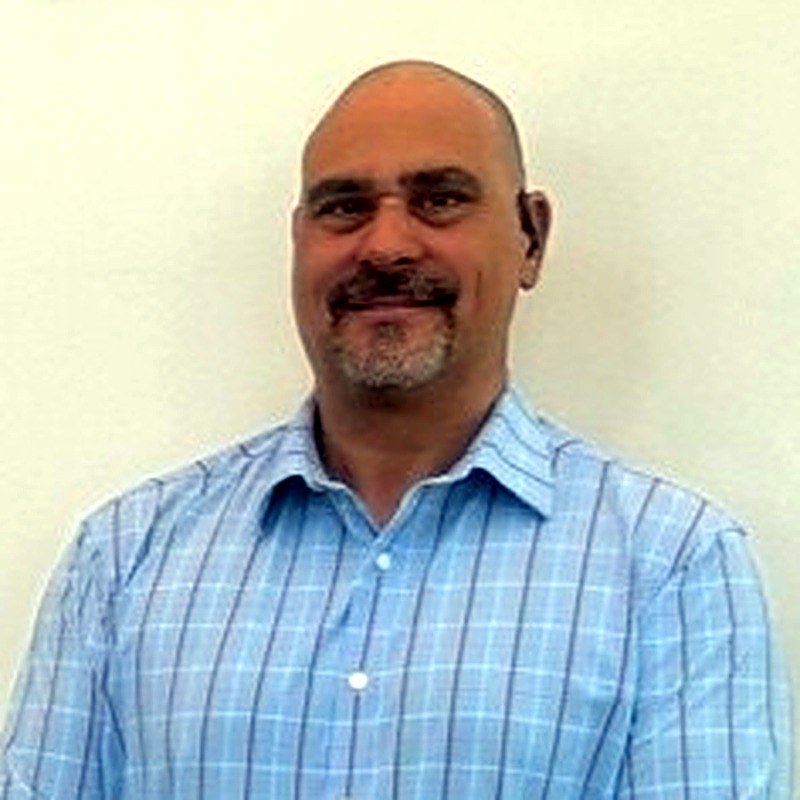
Rick is a clinical laboratory scientist with 15+ years across clinical and molecular diagnostics, laboratory operations, and regulated product environments. Through Creative Concepts Consulting, he has advised diagnostics and medical-device organizations on instrument implementation, method validation, regulatory compliance, workflow improvement, and inspection readiness — including correlation, precision and accuracy studies and policy and procedure development, with process improvements that saved clients more than $500K a year. He brings working knowledge of CLIA, CAP, and COLA requirements, plus product leadership experience at diagnostics companies including Sebia, ZEUS Scientific, and Euroimmun US.
Context before conclusions. Clarity in scope. Useful records. Professional independence.
Your test menu, complexity, accreditation, oversight structure, and where the pain points are.
Anything with potential patient-testing implications goes to qualified personnel first. Everything else gets planned.
Every action gets an owner, a date, and a description of the evidence needed to close it.
A laboratory compliance consultant helps clinical labs meet CLIA, CAP, COLA, and state requirements — reviewing QC and proficiency testing, running mock inspections, supporting method validation, and drafting corrective action plans. The laboratory director retains regulatory responsibility; the consultant provides structured, independent support.
Both. Work is scoped to the agency or accreditor that applies to your lab, along with your testing complexity and specialty.
Yes. Scope and terms are agreed individually, and many labs start with a focused baseline assessment to understand the need before discussing recurring support.
An Individualized Quality Control Plan is a CLIA option that lets eligible labs use a risk-based approach to QC for certain test systems, documented through a risk assessment, a QC plan, and quality assessment. It isn’t available for every method and doesn’t permit departing from manufacturer instructions, so the applicable pathway is established first.
Lab compliance consulting is a distinct service led by Rick Peluso of Creative Concepts Consulting, in partnership with Connexis. The two connect naturally: when a compliance review shows a gap in technical supervision or quality staffing, our recruiting team can help fill it.
Many document-based reviews can be done through secure remote collaboration. On-site work may be recommended for mock inspections and workflow observation.
No consultant can. We identify issues and help you correct them, but outcomes depend on laboratory practices, evidence, and the inspection or accreditation process itself.
Tell us your lab type, accreditor, and timeline.
Rick will follow up personally to talk through scope and next steps.
